
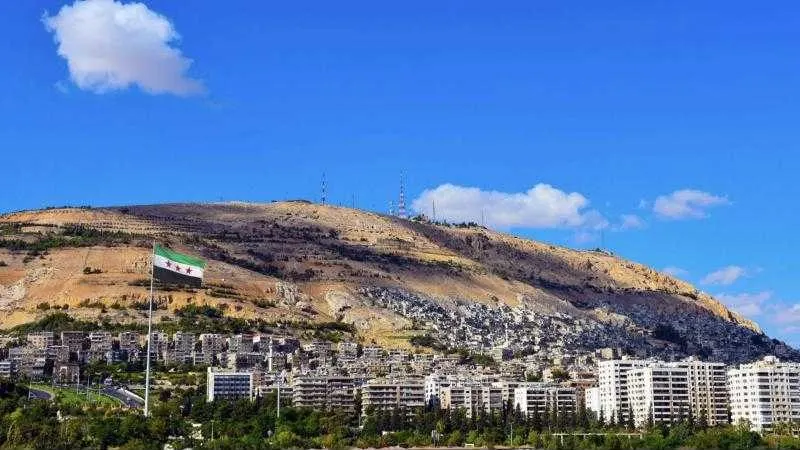
A City Shaped by Geography and Power
Raqqa, a city on the Euphrates shaped by history, represents far more than a point on a map. It reflects centuries of transformation driven by commerce, culture, and political ambition. Positioned along the Euphrates in northern Syria, Raqqa developed where fertile land and strategic access encouraged interaction among civilizations. Over generations, it progressed from a modest riverside settlement into an imperial capital, a vibrant crossroads of exchange, and a community navigating modern recovery.
The narrative surrounding Raqqa mirrors the layered history of the Mesopotamian and Levantine regions, where geography influenced human movement and empire shaped urban identity.
Geographic Setting and Early Origins
Situated within an agriculturally productive zone, Raqqa benefited from proximity to one of the Middle East’s defining waterways. Irrigation systems, transportation links, and commercial routes sustained communities for millennia and enabled long-term settlement in the surrounding landscape. Archaeological findings reveal that habitation in nearby areas predates the emergence of Raqqa as an identifiable urban center.
During Hellenistic and Roman periods, neighboring settlements contributed to administrative organization and regional commerce. These developments laid the foundation for later expansion, and by the early Islamic era, it emerged as a distinct settlement of growing strategic importance. Its position between cultural spheres strengthened connectivity and encouraged further development.
Abbasid Golden Age
One of the most remarkable chapters in its history unfolded during the 8th century when the city became associated with the Abbasid Caliphate. Under Caliph Harun al-Rashid, Raqqa served as a residence and administrative hub, gaining prestige across the Islamic world.
Urban achievements from this period included:
- Fortified defensive walls and monumental gateways
- Palatial complexes reflecting imperial authority
- Mosques and civic infrastructure
- Intellectual and commercial vitality
These features elevated Raqqa among influential centers of its era. Although many physical remnants survive only in fragments, the legacy of prosperity and innovation continues to shape perceptions of Raqqa today.
From Medieval Transitions to Ottoman Governance
Following Abbasid prominence, Raqqa experienced cycles of contraction and renewal under successive dynasties. Political shifts altered its standing, yet habitation continued and local trade sustained daily life. Agricultural production and commercial exchange allowed Raqqa to remain connected to regional networks.
Under Ottoman administration, integration into provincial structures preserved relevance within broader governance systems. Surrounding rural communities relied on the city’s markets and institutions, ensuring Raqqa maintained continuity even during quieter historical periods.
Al-Mansour Mosque and Architectural Legacy
Among the most notable historical landmarks is the Al-Mansour Mosque, often called the Old Mosque. Founded in 771 AD by Caliph Abu Jaafar al-Mansour, the structure represents a significant archaeological site tied to early urban planning and communal worship traditions.
Urban Vision and Community Role
Its construction symbolized administrative authority and spiritual cohesion, anchoring civic organization and communal gathering. As development expanded around the mosque, sacred architecture shaped everyday interaction and reinforced the structured identity of Raqqa.
Architectural Characteristics
Despite alteration over centuries, surviving features illustrate Abbasid design principles:
- Durable baked brick construction
- Spacious courtyard suited for congregational prayer
- Practical yet refined spatial planning
- Remnants of minaret and enclosure walls
These elements demonstrate continuity in architectural traditions that influenced later Islamic structures and contribute to the enduring historical narrative of Raqqa.
Cultural and Historical Importance
Across changing political eras, the mosque remained a reference point connecting memory and identity. Its endurance highlights the relationship between heritage and place. Scholars and visitors regard it as a tangible expression of cultural depth associated with Raqqa and its historical role in early Islamic urban development.
From early settlement to imperial prominence and contemporary transformation, Raqqa presents a narrative shaped by geography, architecture, and resilience. Its layered history illustrates how urban centers evolve through shifting circumstances while preserving meaningful ties to heritage. Examining Raqqa reveals a continuum in which past achievements and present realities coexist, offering insight into the enduring relationship between environment, memory, and cultural legacy.